
India is a huge, amazing country that is difficult to encapsulate in a few words. It is almost a continent unto itself, with such a variety of landscapes, peoples, languages, religions and cultures that each trip becomes a completely different experience. From the Himalayan mountain ranges to the Thar Desert, from the chaotic cities of the north to the tranquil plantations of the south, India is made up of contrasts that coexist and complement each other.
Precisely for this reason, there is no single perfect itinerary for visiting India: depending on the areas one chooses, very different journeys arise. There are those who set out to discover Rajasthan and its royal history, those who focus on the south to relax among nature and Ayurveda, those who seek spiritual immersion along the Ganges, and those who put all their eggs in the temples, trekking, or the sea.
In this guide, we have collected the 10 must-see attractions in India understood not so much as individual monuments but as areas, cities or regions of great cultural, spiritual or natural interest. The only exception is the Taj Mahal, the country’s undisputed icon, which deserves special mention.
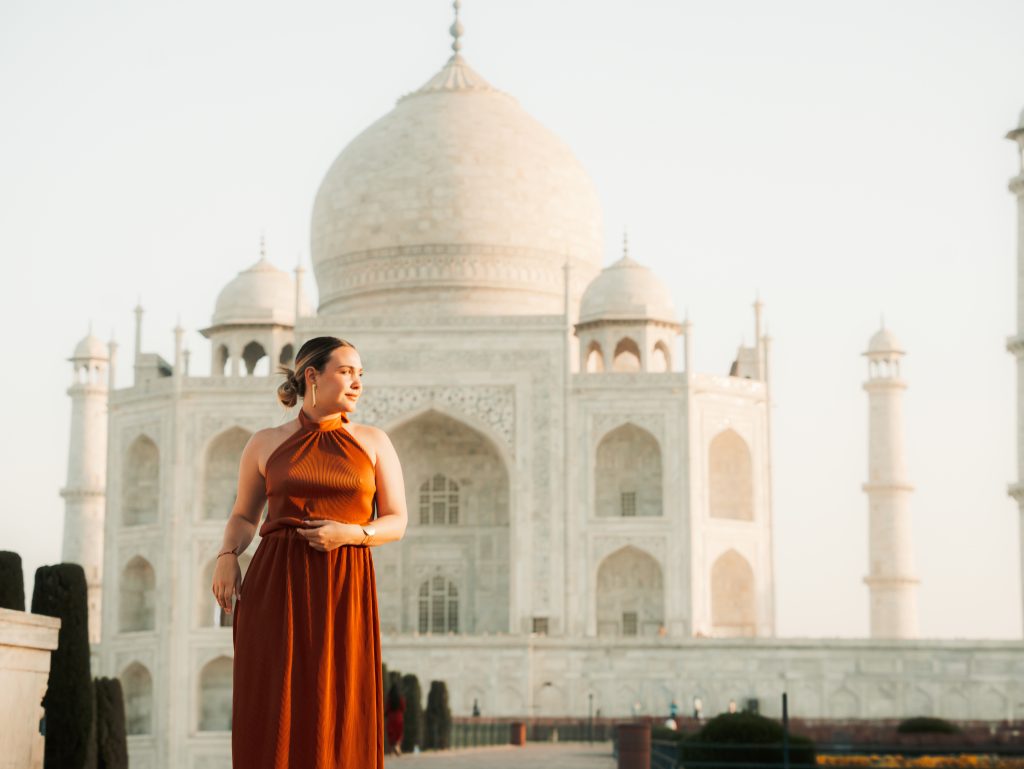
1. Taj Mahal – Agra, Uttar Pradesh
Of all the things to see in India, the Taj Mahal is undoubtedly the one that most represents the country to the world. This white marble mausoleum, built by the Mughal emperor Shah Jahan in the 17th century, is a declaration of love carved in stone, a masterpiece of Islamic architecture and one of the Seven Wonders of the Modern World.
It is located in Agra, in the state of Uttar Pradesh, and is easily reached by train from Delhi (about 2 hours). The city is also home to other notable monuments such as the Red Fort of Agra and the Tomb of Itimad-ud-Daulah, but the Taj remains its main attraction. For many travelers, it is the central stop on an itinerary in the famous Golden Triangle (Delhi-Agra-Jaipur).
2. Jaipur and Rajasthan
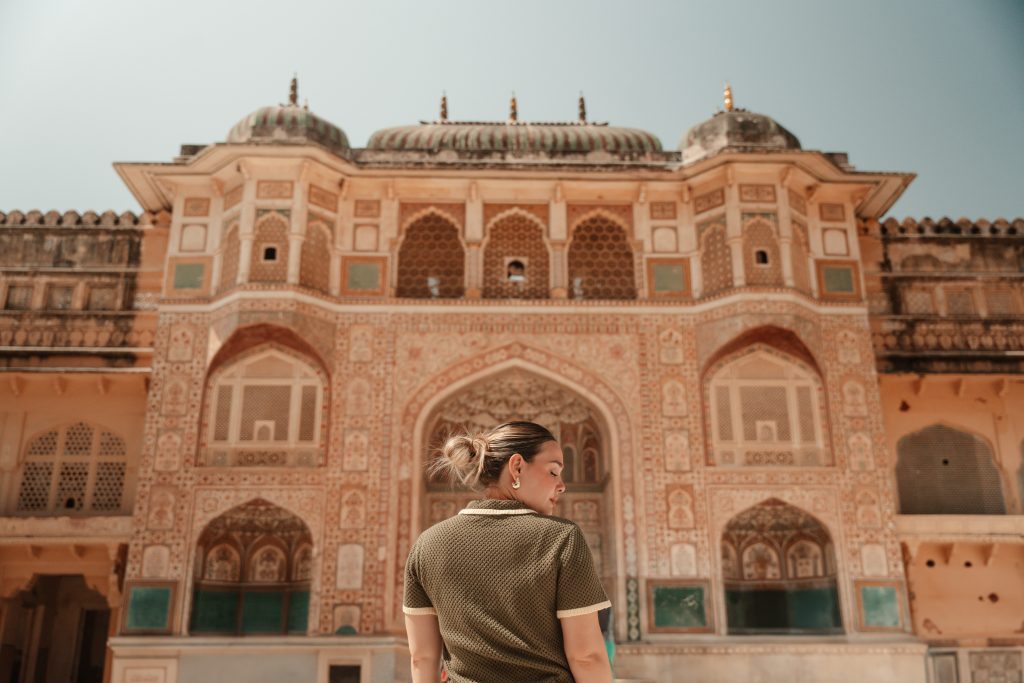
The capital of Rajasthan, Jaipur is known as the “Pink City” because of the color of its historic buildings. Here you can visit the majestic Amber Fort, admire the striking Hawa Mahal (Palace of the Winds) and the City Palace, testaments to the wealth of the maharajas.
But Jaipur is also the gateway to all of Rajasthan, a region that alone is worth an entire trip. The walled cities of Jodhpur, Udaipur, Jaisalmer, and Pushkar offer unique castles, temples, markets, and desert landscapes. An itinerary in Rajasthan is perfect for those who love history, architecture, and the charm of royal palaces.
3. Varanasi – Uttar Pradesh
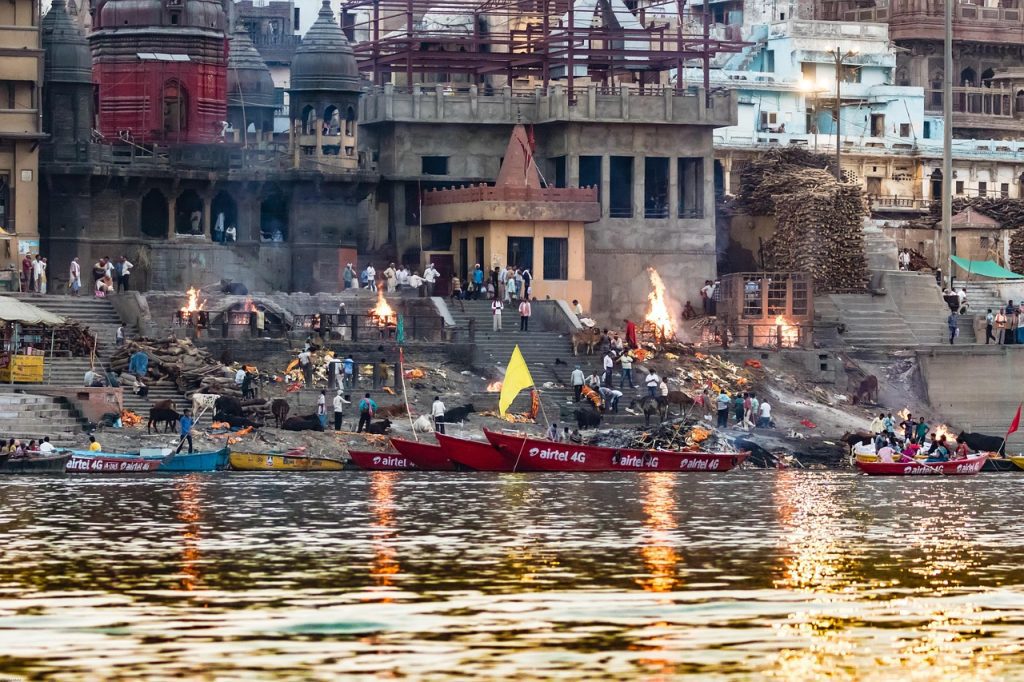
Varanasi is the holy city par excellence. Located on the banks of the Ganges, it is one of the most spiritual places in the world and an intense and fascinating stop. Here the faithful bathe in the river to purify themselves, sadus (ascetics) meditate along the ghats, and evocative fire ceremonies called Aarti take place every evening.
The city is chaotic, full of life and symbolically linked to the cycle of life and death. To visit Varanasi is to connect with a profound India that excites and makes one reflect. It is ideal for those attracted to spirituality, Hindu culture and authentic experience.
4. Kerala and the Backwaters
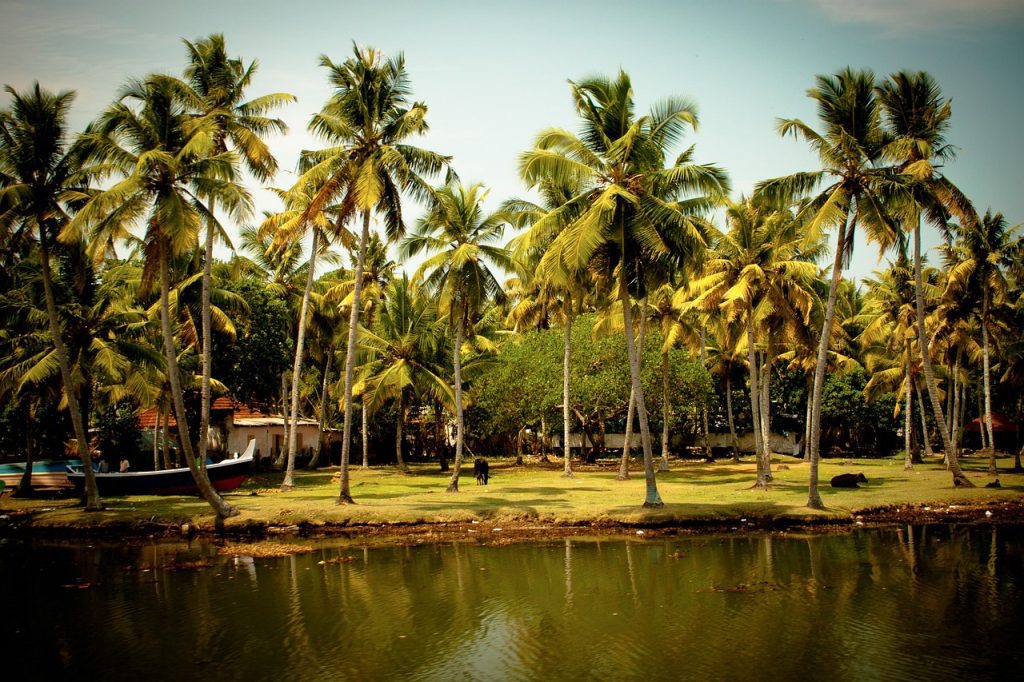
In the deep south of the country lies Kerala, a lush green state overlooking the Arabian Sea. It is famous for its backwaters, a network of navigable canals surrounded by tropical nature. Sailing on a traditional houseboat is one of the most relaxing experiences you can have in India.
But Kerala is also much more: tea plantations in Munnar, tranquil beaches in Varkala and Kovalam, nature reserves such as Periyar, and centers dedicated toAyurveda and yoga. A perfect destination for a slow, rejuvenating trip immersed in nature.
5. Goa – Between Beaches and Colonial Culture.
Goa is often associated only with the sea, but it is actually much more than that. A former Portuguese colony, it has a strong European influence visible in its Baroque churches, colonial architecture and even local cuisine. Its beaches, such as Palolem, Anjuna or Arambol, offer relaxation, surfing, yoga and alternative markets.
Goa is ideal both for those seeking partying and nightlife and for those who want a quiet stay amid nature and culture. It is also a good entry point for exploring southern India.
6. Delhi – The Heart of India
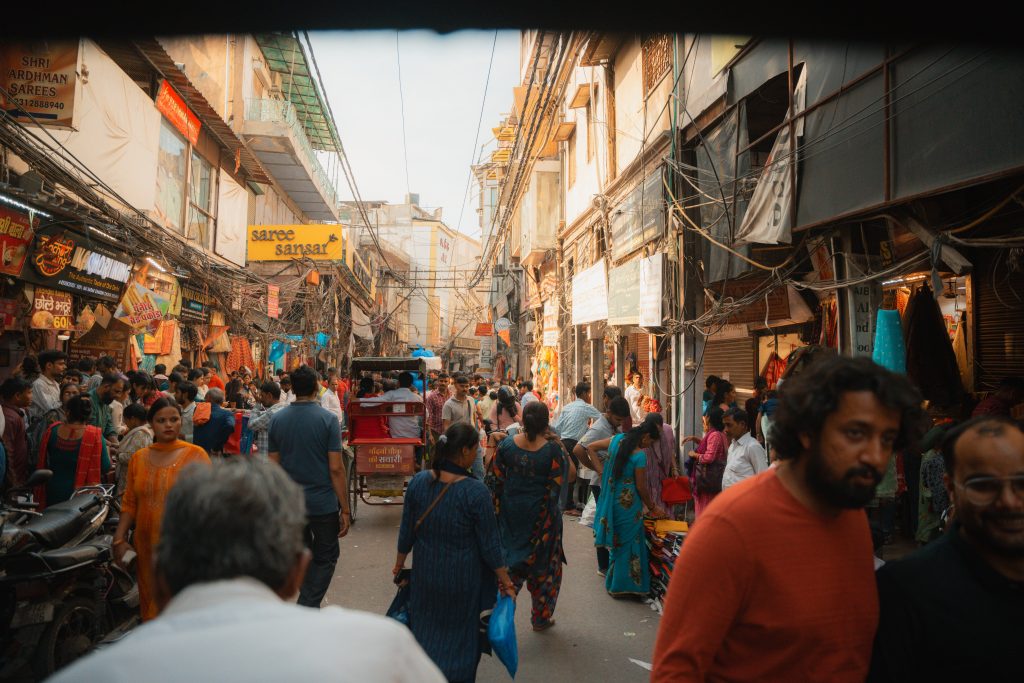
Delhi, the capital of India, is a complex and fascinating metropolis, where millennia-old history and the dynamism of the present coexist. On the one hand, Old Delhi with its maze of streets, the Jama Masjid Mosque and the Red Fort; on the other, New Delhi, with tree-lined boulevards, colonial buildings and modern shopping malls.
It is a challenging city, but perfect for a first contact with India. Delhi is also a central hub for getting around the north of the country, both by train and by plane.
7. Mumbai – The modern soul of India
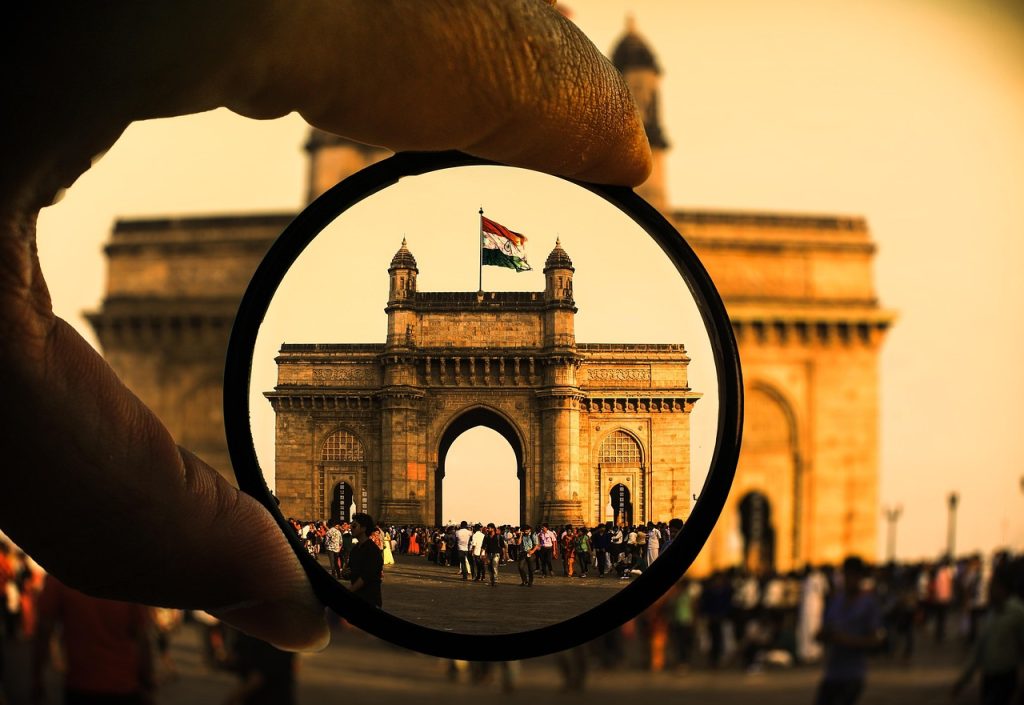
If Delhi is the political capital, Mumbai is undoubtedly the economic and cultural one. It is home to Bollywood, the world’s largest film industry, as well as important financial institutions, fashionable clubs and art galleries.
Don’t miss the Gateway of India, the Chhatrapati Shivaji Terminus, the colonial neighborhood of Colaba, or a visit to the rock caves of Elephanta Island. Mumbai is hectic and contradictory, but it shows the cosmopolitan face of contemporary India.
8. Hampi – Karnataka
In southern India lies one of Asia’s most striking archaeological sites-Hampi, a UNESCO World Heritage Site. Its ruins tell of the grandeur of the ancient Vijayanagara empire, with carved temples, giant columns and breathtaking views.
Hampi is nestled in an almost lunar landscape among huge granite boulders and green fields. It is a perfect destination for lovers of history, archaeology and places off the beaten path of mass tourism.
9. Rishikesh – Uttarakhand
In the foothills of the Himalayas, on the banks of the Ganges River, lies Rishikesh, known throughout the world as the capital of yoga. It is a spiritual center par excellence, where meditation, yoga and Ayurvedic techniques are practiced in dozens of ashrams and holistic centers.
But it is also a perfect destination for sportsmen: rafting, hiking, climbing and other outdoor activities are very popular. A place that combines wellness and adventure.
10. Ladakh – Among the Himalayan Mountains.
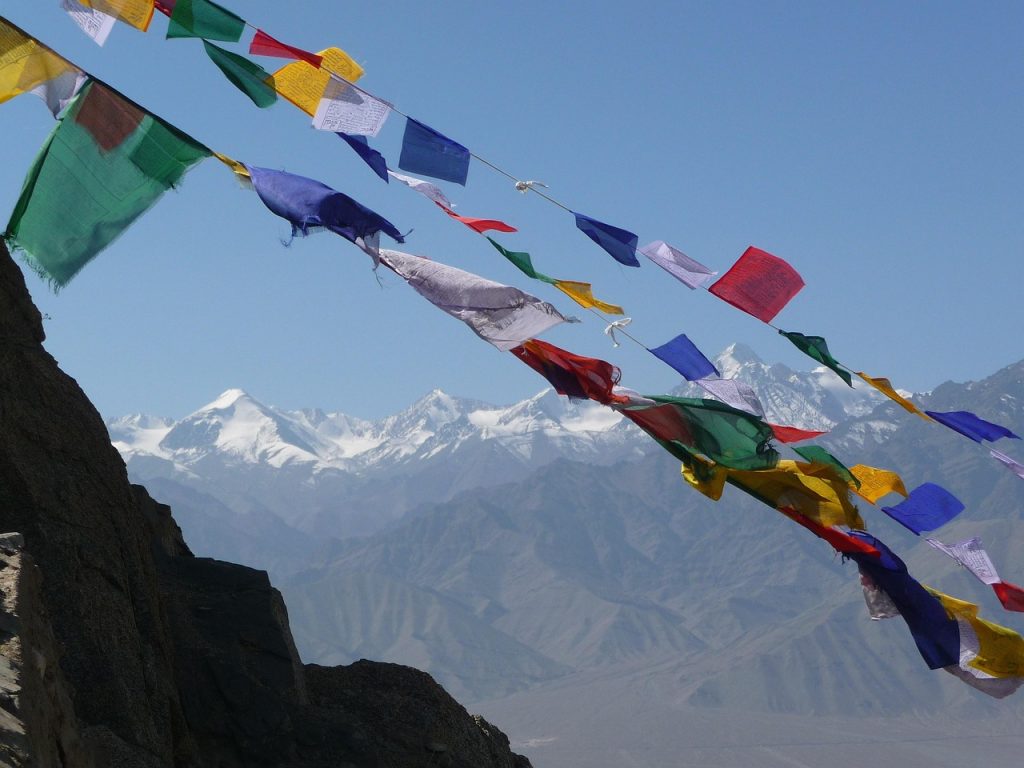
Ladakh, in northern India, is a spectacular mountainous region where Tibetan culture and extreme landscapes meet. Here you can visit ancient Buddhist monasteries (such as Hemis or Thiksey), cross towering Himalayan passes (such as the Khardung La), and view glacial lakes such as Pangong Tso.
It is a recommended destination in the summer months, accessible by plane or spectacular scenic roads from Manali or Srinagar. Ladakh is perfect for those seeking nature, silence and spirituality at high altitude.
Which India do you want to discover?
Choosing what to see in India is a matter of taste, time and desire. There is an India of temples and one of mountains, one of palaces and one of villages, one chaotic and one contemplative
Remember: India is not visited, it is experienced. And each trip will be different from the last.