
Do you dream of golden beaches, ancient temples and verdant landscapes?
Your trip to Sri Lanka is just around the corner-a perfect mix of culture, nature and spirituality. But before you leave, it’s important to arrive prepared.
Here is a complete checklist so that you don’t forget anything and experience your adventure without worries.
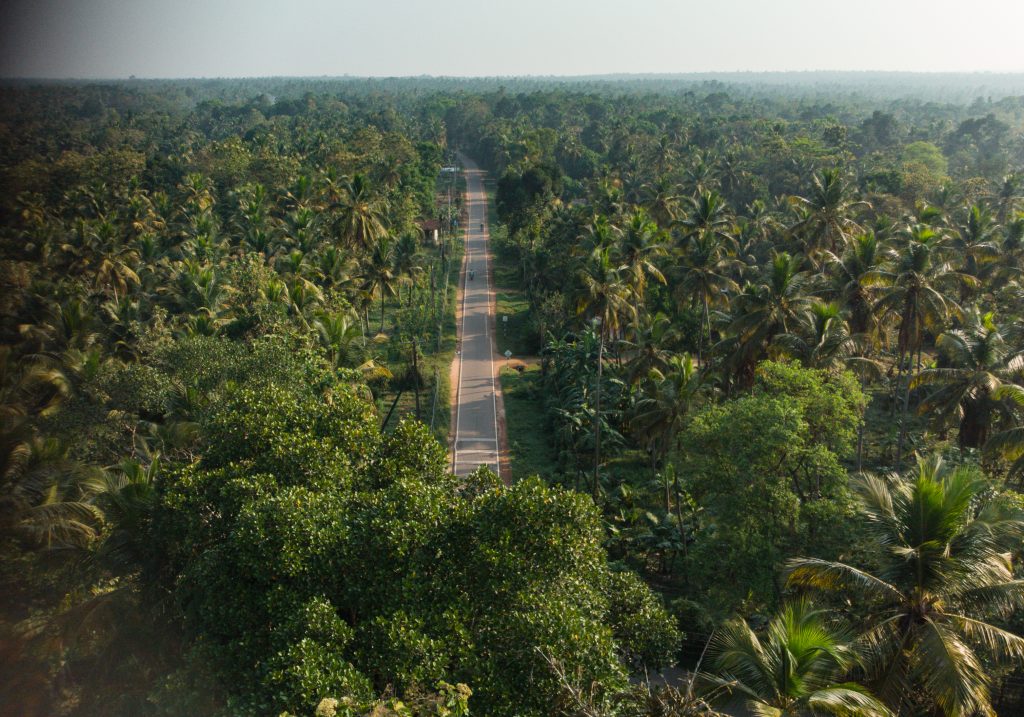
1. Check passport and visa
First check that your passport has at least 6 months remaining validity from the date of entry. After that you need to make the tourist visa to enter the country, which is easily obtained online through ETA (Electronic Travel Authorization). Do this at least a week before departure because approval may take a few days.
2. Vaccinations and health.
There are no mandatory vaccinations to enter Sri Lanka, but the following are recommended: hepatitis A, typhoid and tetanus. In any case, bring a small travel pharmacy with you, with mosquito repellents (especially repellents! The climate is very humid and there are many mosquitoes and insects, especially in the evenings), basic medicines and digestive products.
3. Travel insurance
Indispensable, never leave without it! We recommend that you take out good health and travel insurance that also covers any unforeseen events (cancellations, delays, lost luggage).
4. Currency and payment
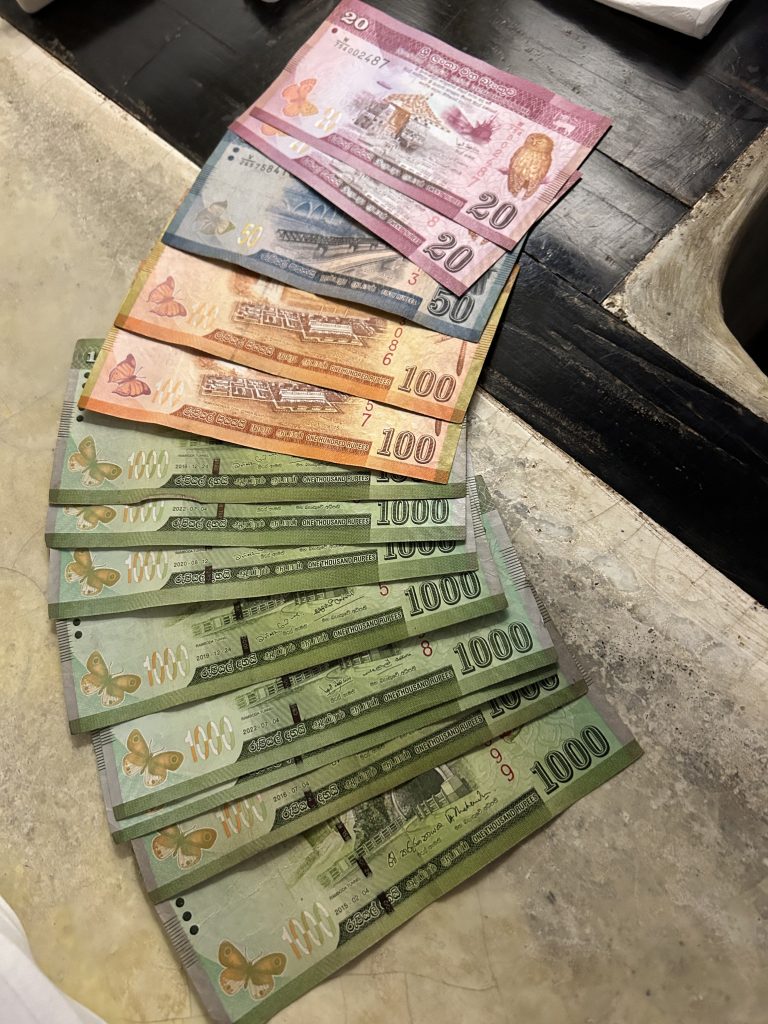
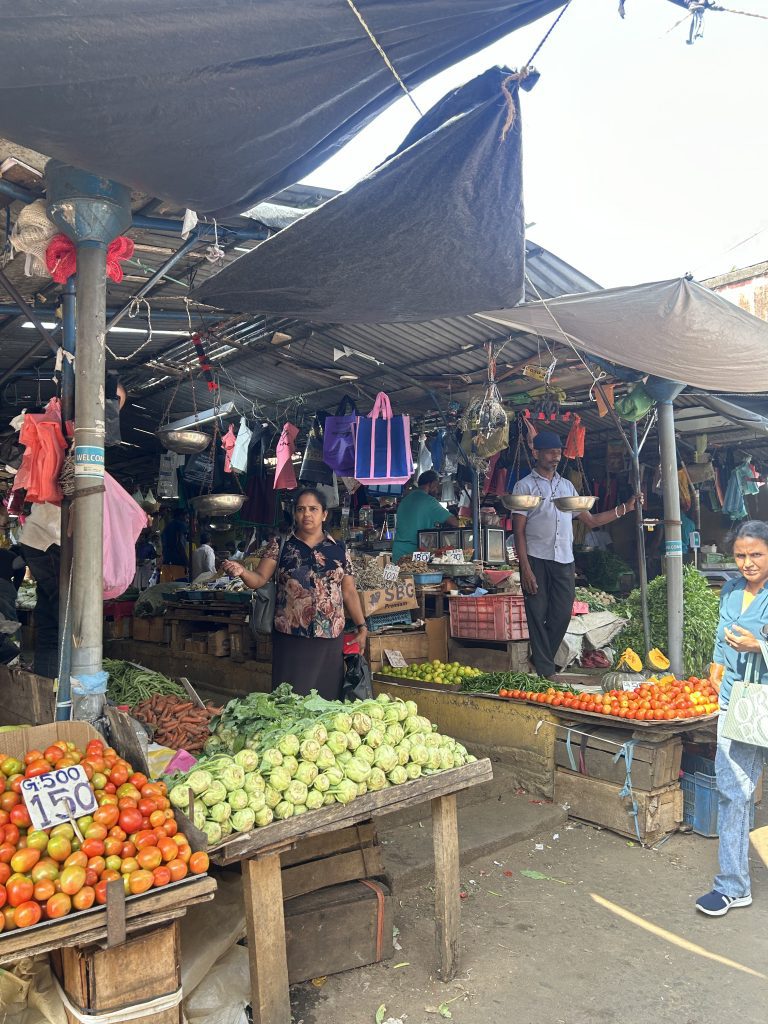
The local currency is the Sinhalese rupee (LKR). Bring some euro or dollar cash with you to exchange on the spot; you can do this directly at the airport. Credit cards are accepted in urban centers, but in villages and markets it is better to have cash.
5. Climate and seasons
Sri Lanka has a tropical climate with warm temperatures year-round, but it is affected by two monsoons that affect different areas at different times:
- South and west (e.g., Colombo, Galle, Mirissa, Ella): dry season from December to April, ideal for beaches and cultural tours.
- North and east (e.g., Trincomalee, Arugam Bay): dry season from May to September, perfect for sea and surf on the east coast.
The central and mountainous regions (such as Nuwara Eliya, Ella, Kandy) are cooler year-round, with even cold nights, and more variably distributed rainfall.
When to go:
- December-April: best time for the south and west
- May-September: ideal for north and east coast
- Year-round: central and cultural areas can be visited all the time, but bring clothes for any climate.
This variety allows you to always find a part of the island with good weather, no matter what season you travel.


6. Clothing
Therefore, it is important to prepare a varied suitcase suitable for the different environments and weather conditions you may encounter. Here is what to bring:
- Lightweight, breathable clothes: prefer natural fabrics such as cotton or linen, which are ideal for dealing with the high temperatures and humidity of coastal and lowland areas.
- A sweatshirt or light jacket: mountain resorts such as Ella, Nuwara Eliya and Haputale can be surprisingly cool, especially in the evening or early morning.
- Raincoat or k-way: tropical rains can be sudden and intense, especially during monsoon periods. Better be prepared for outdoor excursions as well.
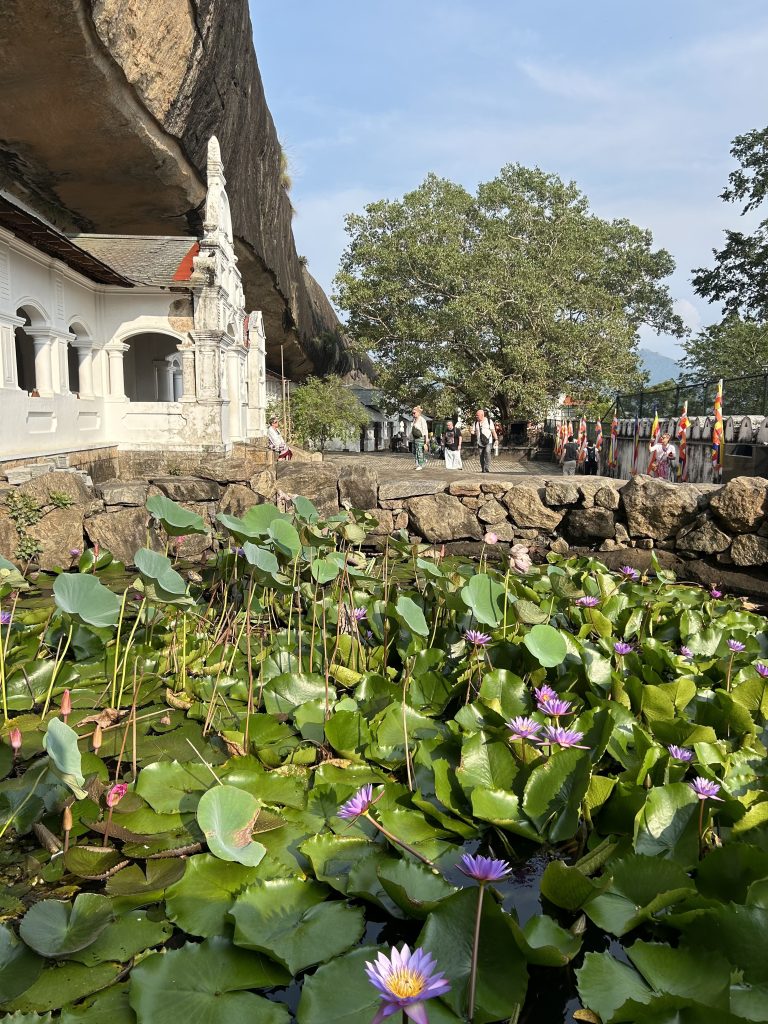
- Appropriate clothing for temples: it is mandatory to cover shoulders and knees to enter sacred places. Bring an all-purpose scarf or sarong with you, which is also useful for covering yourself quickly if needed.
- Hat or bandana and sunglasses: to protect yourself from strong sun while visiting and hiking.
- Comfortable shoes: both breathable sandals for cities and beaches and closed hiking shoes for nature walks or national parks.
- Swimsuit: to enjoy the sea, swimming pools or maybe a waterfall in the mountains.
- Quick-drying technical clothing: practical if you are traveling backpacking or have little time to dry clothes.
By packing your suitcase smartly, you will be ready to enjoy the diverse experiences Sri Lanka has to offer, from relaxing on beaches to adventuring among tea plantations and ancient temples.
7. Technology and connection
- Type D, G and M sockets: bring a universal adapter
- A local SIM with internet is cheap and useful for getting around (e.g. Dialog or Mobitel), or you can buy an e-sim directly
- Download useful apps such as Google Maps offline, translator, XE Currency, and WhatsApp
8. Culture and manners
Sri Lanka is an extremely welcoming country, where smiles are an everyday form of communication. However, its culture is deeply rooted in Buddhism and local traditions, requiring a certain amount of respect from visitors. Some behaviors that may seem harmless in the West are considered inappropriate or even offensive here.
Remember to:
- Remove shoes (and often hats) before entering temples or traditional dwellings.
- Never touch a child’s head: in Buddhist culture, the head is considered the most sacred part of the body.
- Avoid effusions in public: kissing, hugging or affectionate gestures are frowned upon, especially in religious places.
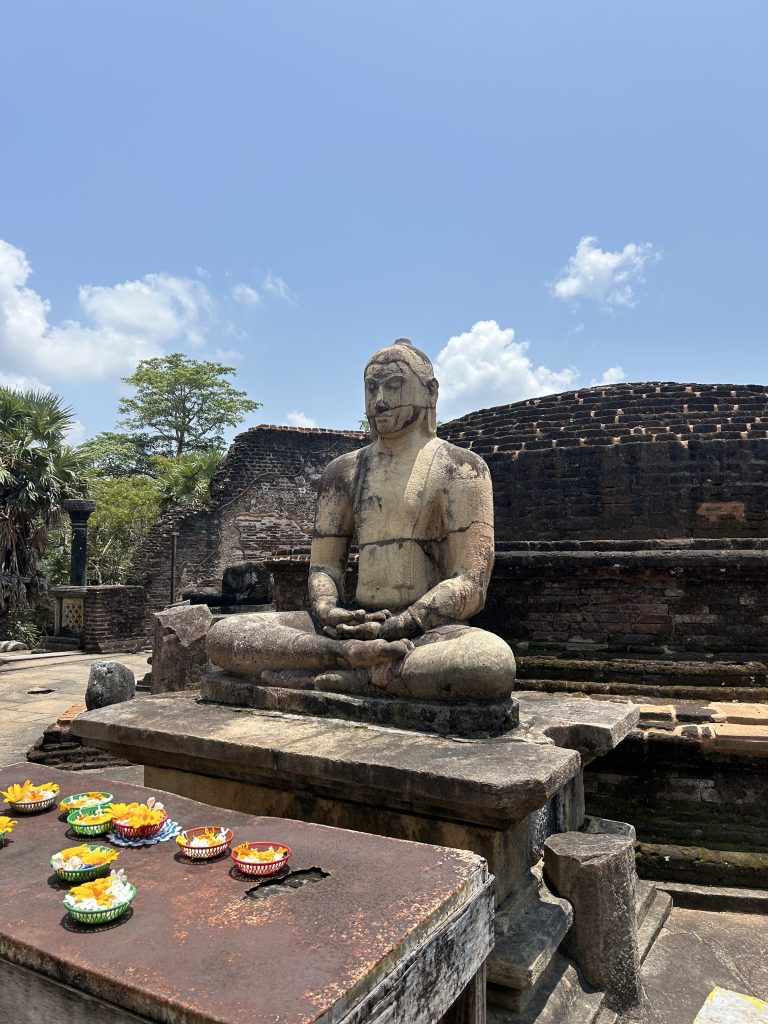
- Never pose with your back facing a Buddha statue-it is considered disrespectful. When taking a photo in a temple, always face the statue or stand to the side.
- Dress decently, especially in sacred places: shoulders and knees should always be covered.
A respectful and curious attitude will help you connect with the local people, who greatly appreciate those who show interest and respect for their customs.
9. Itinerary and logistics
Planning your itinerary well is essential to fully enjoy a trip to Sri Lanka, especially if you only have a few days to spare. The island offers a wide variety of experiences-from tropical beaches to historical sites, from mountains to tea plantations-but distances and travel times can be longer than expected due to traffic and back roads.
Remember:
- In Sri Lanka people drive on the left, often on narrow or crowded roads.
- Traffic can be chaotic, especially in cities and near markets.
- Some areas require permits or local guides, such as national parks or archaeological areas.
In order to travel smoothly, safely and authentically, we recommend a tour operator like us. We will help you create a customized itinerary that suits your interests and timeframe, taking care of every detail of the trip-from accommodations to travel to experiences with local communities. This way, you can experience Sri Lanka without stress and with the confidence that you will capture the best of it.
Ready to go?
With this checklist, you will be ready to immerse yourself in the heart of Sri Lanka-from elephant safaris to the scents of spices, from sunsets over the ocean to the ancient ruins of Polonnaruwa.
A journey that leaves its mark, if done with the right preparation.