
An island with predominantly mountainous terrain, covered on the coasts by mangroves and in the interior by dense forests, Madagascar is home to the most beautiful Nature Reserves and the largest variety of lemurs and chameleons in the world.
Adventure is the order of the day here!
1. Honko Mangrove Reserve: Created by an NGO determined to restore mangroves by working closely with local communities. Ideal mangrove habitat is characterized by a low coastal shelf, high tidal range and a constant supply of fresh water, and they are important because they retain sediment that could damage coral reefs and seagrass beds.
2. Analamazaotra Forest: Home of the “Indri Indri” lemurs, the largest of the entire species. They are distinguished by the shape of their teeth, large head, short snout, long hind legs and short tail. They are a monogamous species and live in small groups moving through the forest since their diet relies mainly on leaves, but also seeds, fruits and flowers.
3. Ranomafama National Park: a UNESCO World Heritage Site since 2007 and the international scientific center of world-renowned primatologist Patricia Wright. In the past, Ranomafana was best known for its hot springs, but in the past two decades the focus has shifted to the national park, which covers an area of about 40,000 hectares of humid tropical forest with an incredible diversity of endemic flora and fauna.
4. Lemur Reserve “Anja Park”: The private Lemur Reserve “Anja Park,” managed by a local community. Wildlife is well represented by a large colony of Maki lemurs as well as many species of birds and chameleons. Royal carp jump out of the water, and the view from a rocky promontory is incredible. A breath of fresh air!
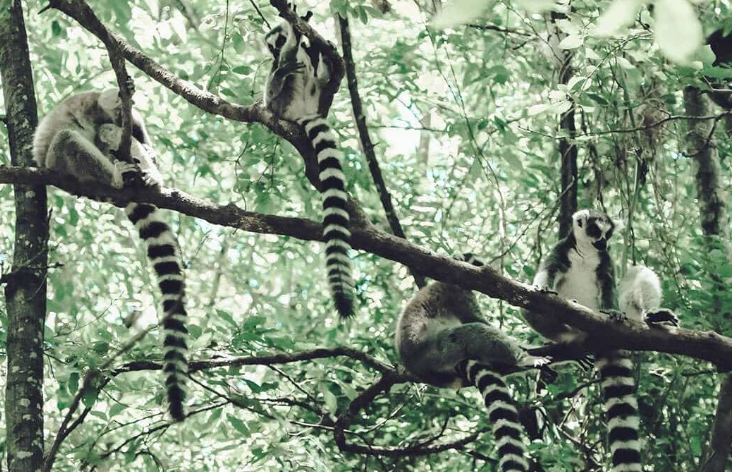
5. Isalo National Park: With 80,000 hectares of sandstone rocks cut by deep canyons and eroded creating peculiar shapes the landscape is not to be missed! In addition, a local association is working to create a natural forest outside the park, actively planting trees and offering visitors the chance to participate firsthand in this initiative to redevelop severely damaged soil and protect lemur habitat.
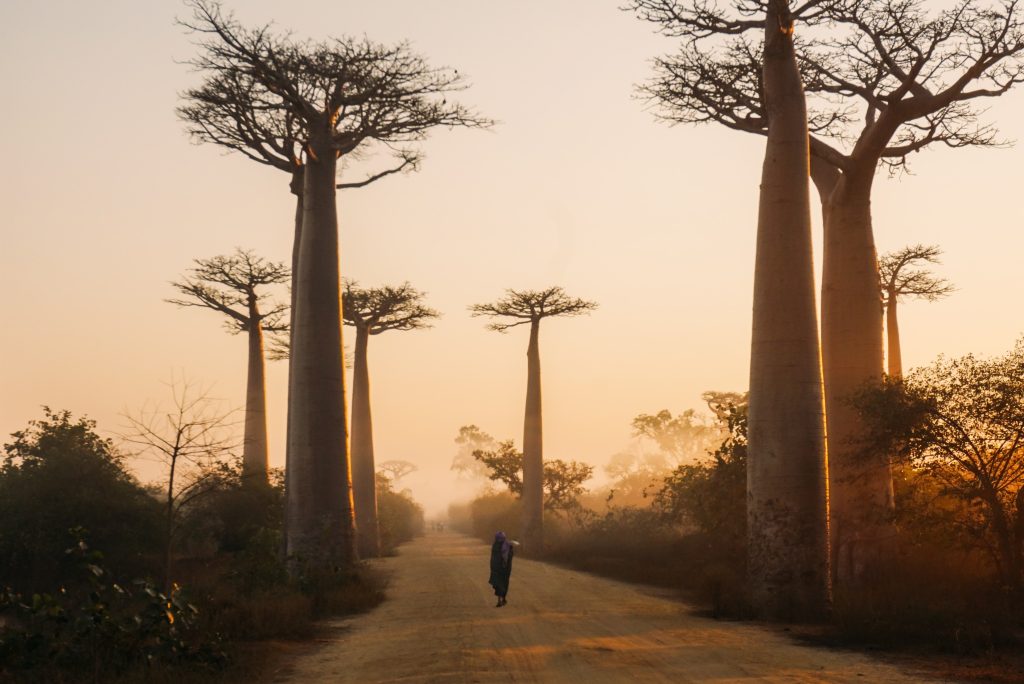
6. Thorny forest of baobab trees: The landscape of this area is home to the largest population of baobab trees and the largest unbroken thorny forest in the world. Made up mainly of plants in the family Didieraceae, it is home to several species of lemurs, birds and reptiles.
Here our journey of discovery of these must-see places: