
On World Water Day, it is important to take a moment to raise awareness of a vital issue: water scarcity and water waste, an issue that also embraces the world of tourism.
In this article, we will discuss how every traveler can help reduce their water footprint while traveling, offering practical tips and sustainable solutions. In addition, we want to celebrate water by exploring some tourist destinations where it plays a central role, inviting reflection on its precious importance and the need to preserve it. Hotel facilities are a major source of water consumption.
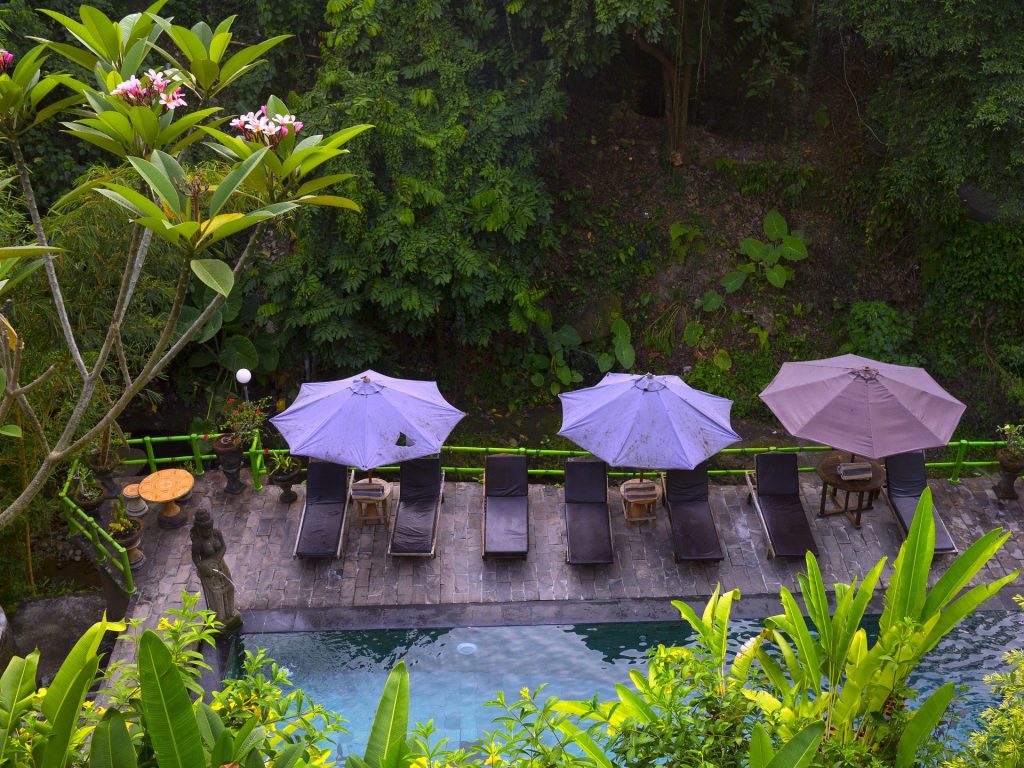
The huge influx of tourists, which exceeds one billion, leads to a significant increase in water consumption. During vacations, for example, Europeans waste up to 400 liters of water per day, compared to the average 150 liters used at home. This excessive consumption is fueled by a number of daily practices, such as frequent use of baths and showers, continuous towel washing, and inordinate filling of swimming pools, in addition to the water consumption required for the construction and operation of hotel facilities. According to the Sustainable Hospitality Alliance, tourists in some destinations use up to eight times more water per person than the local population.
It is also important to consider the needs of local people, who, while surrounded by the luxuries offered to visitors, often face serious problems related to water availability. While tourists enjoy the comforts of hotels, local people often depend on rainfall for access to water, highlighting a disparity in water consumption between visitors and host communities.
And You, Traveler, What Can You Do?
1. Choose Eco-Friendly Facilities
When planning your trip, opt for hotels and accommodations that have adopted measures to reduce water consumption and eco-friendly practices. Many facilities are actively engaged in water conservation through the implementation of various initiatives. For example, installing flow reducers in bathroom faucets to limit water consumption when washing hands or showering. In addition, some facilities incentivize linen and towel reuse, actively engaging travelers in conscious choices and rewarding them in various ways, including with complimentary drinks.
2. Avoiding Water Waste in Everyday Activities.
Practice conscious use of water in your daily activities. Take shorter showers, turn off the faucet while brushing your teeth, and report any leaks or plumbing problems in your quarters. Approximately 16 liters of water descend from the faucet every minute, which means that for a 5-minute shower, up to 80 liters of water is consumed, while if the shower lasts 10 minutes, it is up to 160 liters. The faucet of the bathroom sink has a flow rate of more than 10 liters per minute; if it is left open when brushing teeth, more than 30 liters of drinking water is unnecessarily lost. Small actions together have a big impact, especially in regions facing water scarcity problems.
3. Bringing Reusable Bottles
The use of a reusable water bottle, in addition to drastically reducing the amount of single-use plastic that ends up in landfills or the environment, promotes a greater appreciation and awareness of the water one consumes. Filling the water bottle from drinking water sources, such as public fountains or filtered water dispenser, provides an opportunity to reflect on the value and importance of the water resource. This practice promotes a more sustainable and responsible mindset toward the use of water resources, encouraging greater environmental awareness among travelers.
4. Consume Water and Foods with a Low Water Footprint.
Be aware of the water footprint of the foods you consume. Opt for foods that are local, seasonal and as plant-based as possible. In general, the water consumption required to produce plant foods is significantly less than that required to produce foods of animal origin, such as meat. For example, the production of one kilogram of beef is estimated to require more than 15,000 liters of water, taking into account the water used for animal feeding, pasture irrigation and meat processing. Replacing a meat-based meal with a plant-based one can save hundreds to thousands of liters of water, depending on the type of meat and vegetables involved.
The Best Itineraries To Celebrate Water
After becoming more aware of the importance of water conservation and practices to preserve it, it is time to celebrate its beauty through some exciting journeys. We offer 3 exceptional itineraries that will allow you to fully immerse yourself in the enchantment of water:
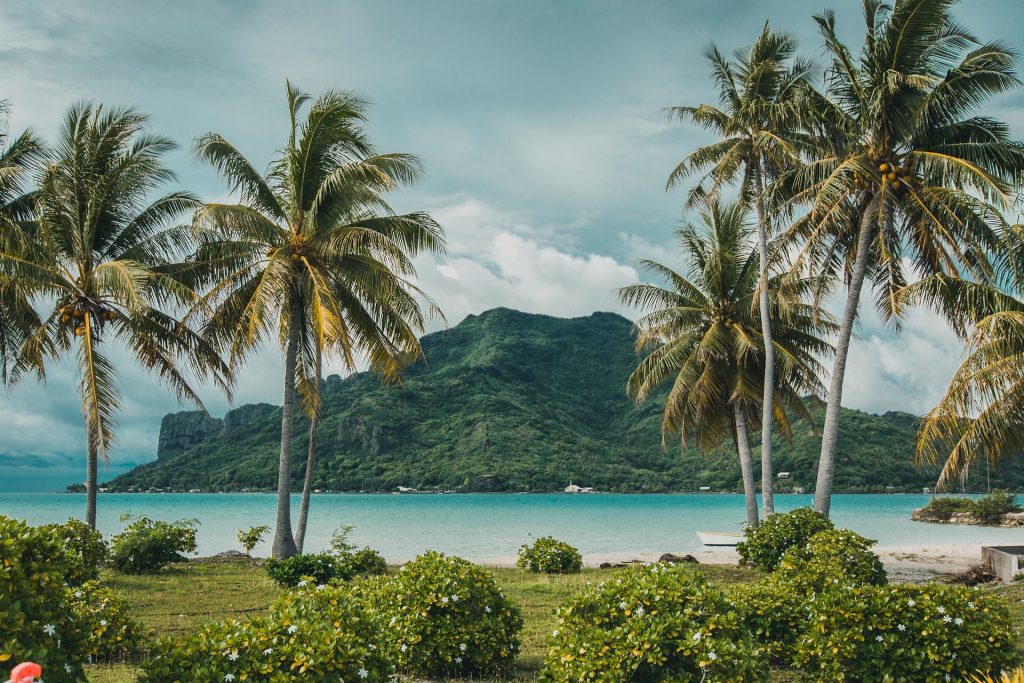
French Polynesia: With its crystal-clear waters, white sand beaches, and breathtaking landscapes, French Polynesia is a paradise destination that celebrates water in all its magnificence. Explore the islands of Bora Bora, Tahiti, and Moorea, where you can snorkel among beautiful coral and fascinating underwater gardens, swim with sharks and manta rays, or simply relax on deserted beaches surrounded by turquoise lagoons. Discover the magical world of Polynesia in the two itineraries found here and here.
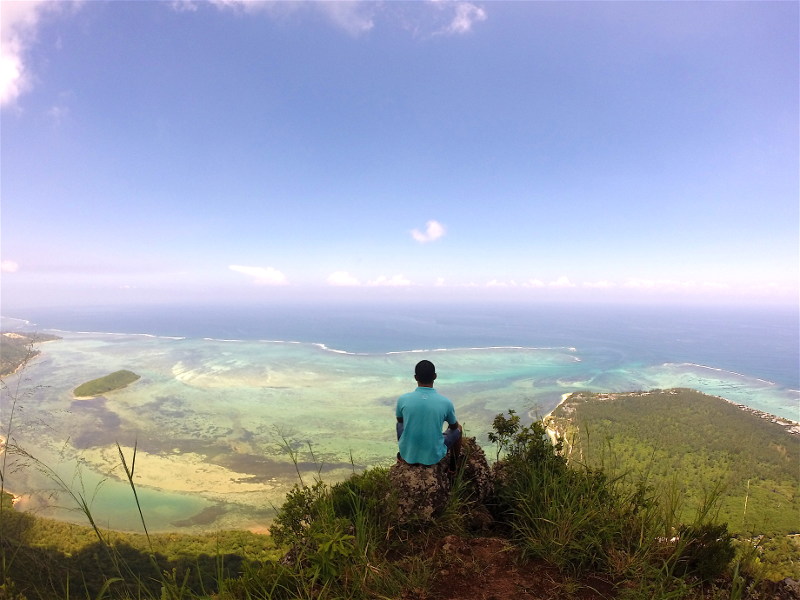
Mauritius: Located in the Indian Ocean, Mauritius is renowned for its picture-postcard beaches, volcanic lakes, and spectacular waterfalls. You will explore the enchanting island of Ile Aux Cerf, enveloped in the magic of its mangroves. You will be fascinated by the underwater waterfall at the top of Le Morne Brabant, a true spectacle of nature. And as you head into the forest trails of Chamarel, a horseback ride will take you on a sensory journey with Frederic. You will listen to his impassioned stories about the rich local flora and fauna, letting the excitement of an authentic and unforgettable experience envelop you. Be inspired here.
Principe and São Tomé: Located off the west coast of Africa, these two islands form an archipelago that boasts pristine tropical landscapes and rich biodiversity. Immerse yourself in the magic of the Cocoa Trail, which will take you from the cocoa plantation to the table, discovering the secrets of this delicious fruit. Take a deep breath of fresh, pure air as you venture on a light trek to the Oque Pipi waterfall. Once you reach it, take a refreshing dip in its enchanting natural pool, surrounded by the unspoiled beauty of nature. Explore the charming beaches in the northeast of the island and immerse yourself in the local culture by visiting a picturesque fishing village. Find out the full itinerary here.
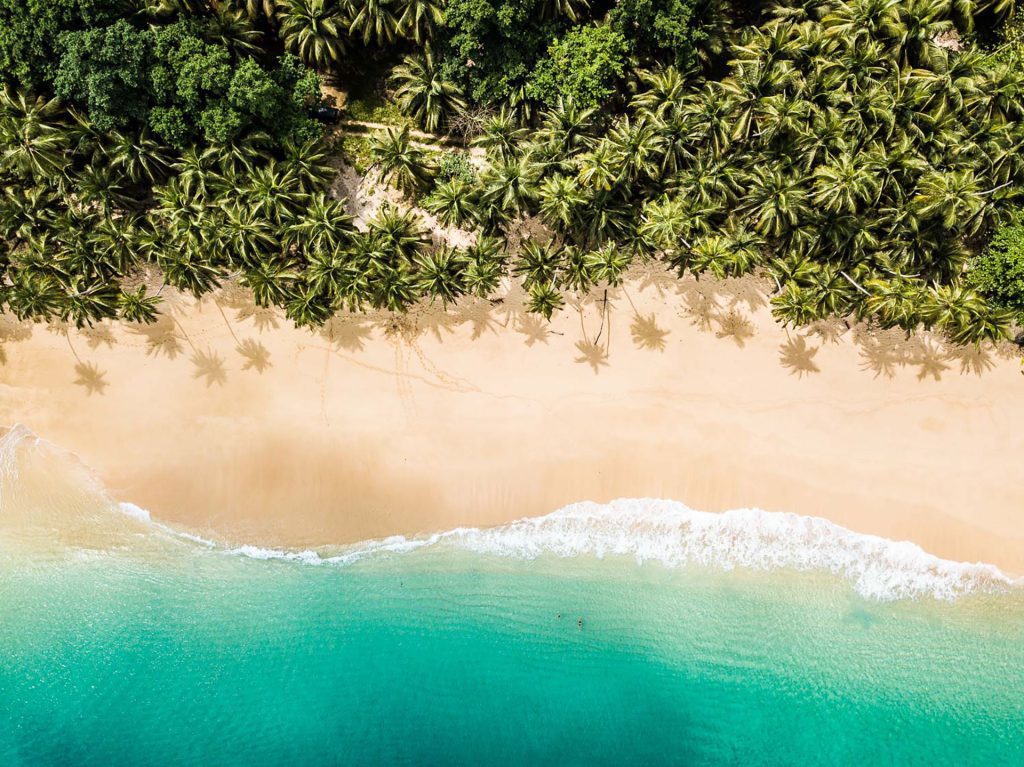
In these wonderful places, you can celebrate water in all its forms and appreciate its beauty and vitality. Whether swimming in turquoise lagoons, exploring breathtaking waterfalls or simply enjoying the sound of waves crashing on the shore, these itineraries will provide you with an unforgettable experience immersed in Earth’s most precious element.